El Salvador and Panama declared nationwide states of emergency on 25 August “to accelerate drought response through 2027”, and Honduras widened a red alert from 75 to 103 municipalities in the week to 28 August, building on a drought emergency it declared on 19 August, according to the UN Office for the Coordination of Humanitarian Affairs.
El Salvador logged a 41 per cent rainfall deficit in May and 19 consecutive dry days from 7 August, OCHA said.
Santo Domingo Suchitepéquez, in Guatemala's Pacific piedmont, recorded 404mm of rain from May to August against a 1991-2020 normal of 1,577mm, according to ERA5 reanalysis data accessed via Cropli.
Tiquisate received 48 per cent of its normal and La Gomera 56 per cent. Sonsonate in El Salvador was at 38 per cent and El Triunfo in southern Honduras at 53 per cent.
July and August were the hottest since the same record began in 1940 at eleven monitoring points along the Mesoamerican Pacific side. La Gomera averaged 30.1°C against a previous high of 27.6°C set in 2023, and Chahuites, on the Mexican mango side of the Isthmus of Tehuantepec, 31.5°C against 28.9°C.
Guatemala shipped $1.14bn of the $2.92bn of bananas the United States imported in 2025, or 39 per cent by value, and 2.09mn tonnes of fruit, US Census Bureau data accessed via Cropli show.
It is also the largest supplier under the customs line covering melons and papayas, at 58 per cent by value, with Honduras taking the two countries' combined share to 75 per cent.
Guatemala's banana share has held while Costa Rica's fell to 12.1 per cent last year from 15.9 per cent in 2023.
The water deficit is yet to reach the trade figures. Guatemalan banana shipments to the United States ran 15.2 per cent higher by value and 7.8 per cent by volume in January to July than in the same months of 2025, and Honduran shipments were up 37.6 per cent and 31.5 per cent.
The World Bank's US banana benchmark was $1.10 a kg in August against $1.02 a year earlier. The fruit moving now was grown before the rain stopped.
ECMWF's SEAS5 seasonal model points to a deepening deficit, putting October rainfall 128mm below its own climatology in the Guatemalan banana belt, 144mm below at Choluteca in Honduras and 181mm below at Guanacaste.
Its September figures are larger still, but the first month of a seasonal run is the least reliable.
The effect on exportable fruit depends on irrigation. The emergencies themselves are food-security measures: OCHA's stated concern is subsistence farmers in the Dry Corridor, not plantation exporters.
Melons are the more exposed crop because the fruit is not yet in the ground, with Cropli's crop calendar showing the Guatemalan melon origin off-season and harvest running from January to April.
Costa Rica is running both extremes at once. Cropli reported on 3 September that record rain had swamped the country's Caribbean banana belt, with an export hit expected from late October.
Pococí has had 154 per cent of its 30-year May-to-August normal, while Guanacaste on the Pacific slope is at 58 per cent. Costa Rican banana shipments to the United States were down 14.5 per cent by value in January to July.
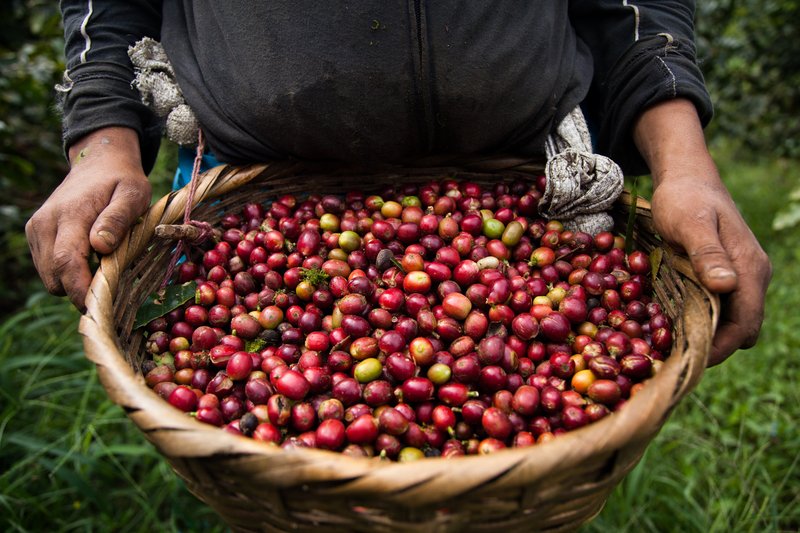
The US Department of Agriculture on 20 May cut its forecast for Nicaragua's 2026/27 coffee crop to 2.44mn 60kg bags from 2.56mn the season before.
“The high probability of El Niño in the second half of 2026 and a 25 percent rise in fertilizer costs may drive yields down in MY 2026/27,” its Managua post wrote.
The report blamed an extended canícula, the mid-summer dry spell in July and August that falls inside Central America's rainy season, for damaging grain filling in some low-altitude regions of Nicaragua the season before.
The event is sharply skewed to the eastern Pacific. Net of each origin's winter drift, El Salvador's produce origins picked up 3.19°C of extra warming between last July and August and this year's, and Guatemala's 2.74°C, across 234 origins on 1,211 monitoring points.
Indonesia's gained 0.38°C and Thailand's 0.04°C. FreshPlaza reported on 7 September that “dry and hot conditions have affected parts of Cambodia, Thailand and southern Viet Nam”, but Cropli's 99 Thai points recorded June-to-August rainfall exactly on their five-year mean.
NOAA's Climate Prediction Center put the chance of a very strong El Niño event at more than 90 per cent for the northern-hemisphere autumn and winter in its advisory of 13 August, and publishes its next diagnostic discussion on 10 September.
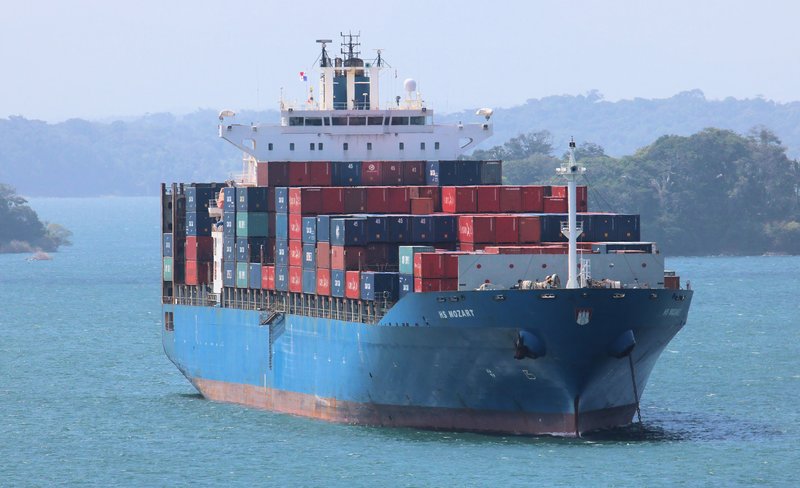
The Panama Canal Authority plans to cut daily vessel transits to 32 from 36 from 15 September because of low water levels.