The average Chinese consumer drank an estimated 22 cups of coffee in 2024, according to a report published by the US Department of Agriculture's Foreign Agricultural Service in January. That figure compares with 405 cups in South Korea and 207 in Japan, two mature Asian coffee markets with broadly similar tea-drinking traditions.
The gap suggests substantial room for further expansion in a country of 1.4bn people where consumption growth is already running at approximately 15% annually, making China one of the fastest-growing coffee markets in the world.
Two decades ago, annual per-capita consumption stood at just three to four cups, driven almost entirely by sweetened instant coffee. The opening of the first Starbucks in Beijing in 1999 is widely credited with beginning the shift toward freshly brewed coffee as an everyday drink rather than an occasional novelty.
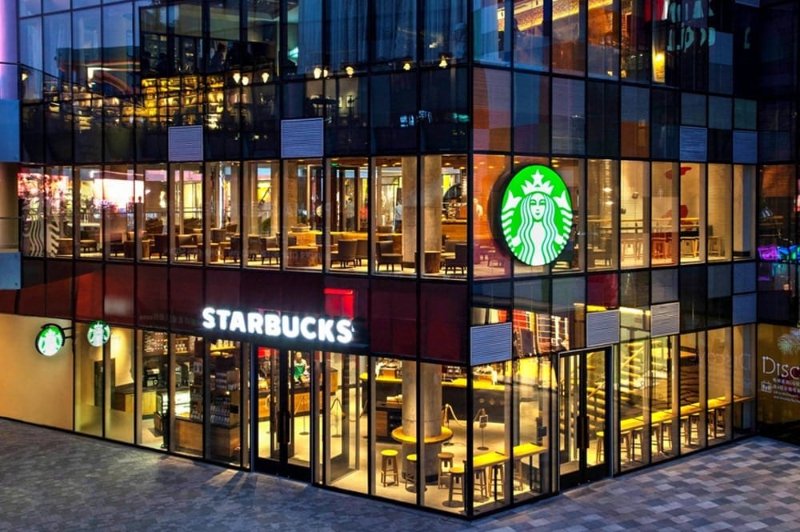
That shift has accelerated sharply. China's total coffee consumption rose from around 120,000 tonnes in 2010 to over 360,000 tonnes by end-2024 — equivalent to roughly 6mn 60-kilogram bags — representing growth of more than 150% over the period.
The expansion has been underpinned by rapid urbanization and the emergence of Generation Z as a major consumer cohort. Shanghai alone had more than 9,100 coffee shops by the end of 2024, surpassing Beijing, Guangzhou, Shenzhen and Chengdu, with around 2,000 of those foreign-invested.
Domestic chains have been central to the growth story. Luckin Coffee launched 119 new products in 2024, averaging two per week, while intensifying price competition has pressured margins across the sector. Local players have driven adoption through affordable pricing, app-based ordering and flavour innovation tailored to Chinese tastes — from baijiu-infused lattes to drinks incorporating traditional ingredients such as goji berries and osmanthus.
The ready-to-drink segment alone generated approximately $4bn in revenue in 2024, growing 19% year-on-year, and is projected to reach $6.06bn by 2030.
On the import side, China purchased $1.57bn worth of unroasted coffee beans in 2025, or over 223,000 tonnes — a 293% increase in volume from 57,039 tonnes in 2020, according to Chinese customs data. Brazil, Colombia, Ethiopia and Vietnam are the principal suppliers. China also imported roasted beans valued at around $107mn, with Italy, Switzerland, the US and Vietnam the leading sources.
Tariff policy is reshaping sourcing patterns. China extended zero-tariff access to African countries from 2025, and imports from Ethiopia surged 340% in volume in the first eight months of the year compared with the same period in 2024, according to the USDA report.
Domestically, Yunnan province in southwest China produces over 150,000 tonnes of mostly Arabica beans, supplying more than 90% of the country's ready-to-drink coffee production.

