That was before July 1.
The EU's imposition of a 50 per cent tariff on Russian agricultural products, part of Regulation (EU) 2025/1227, has effectively severed Europe from the source of what industry participants estimate is 90 per cent of global pine nut production. For Anton's Prague-based trading company Econut, which sourced exclusively from Russia, the measure forced an abrupt pivot to Mongolia.
"You have a huge market which you have to cover, but it's not possible to do it," Anton told Cropli at the Anuga trade show. "This is not a strategic good. This is just food."
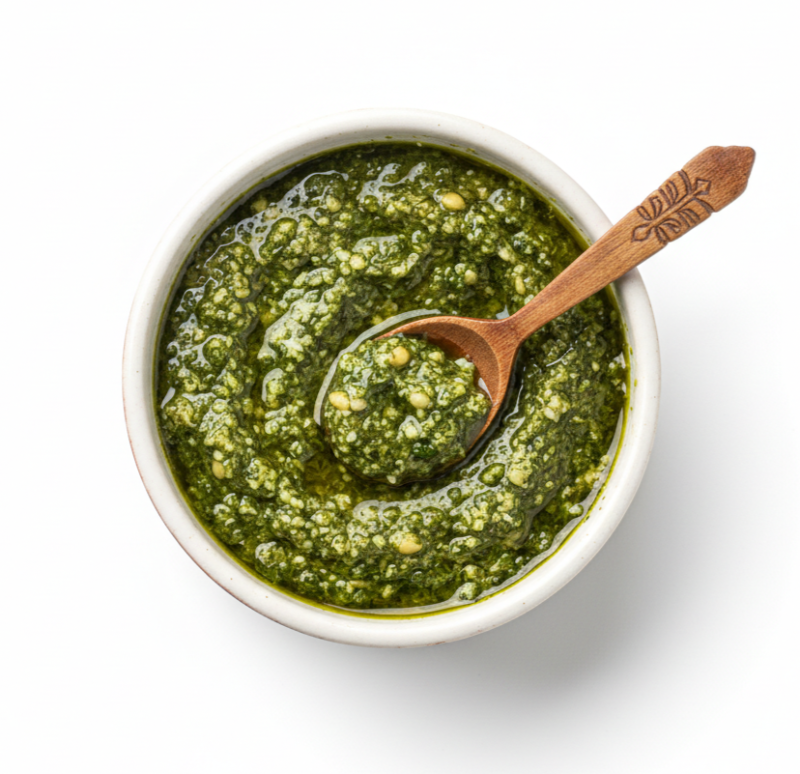
The additional 50 per cent ad valorem duty, layered on top of existing tariffs, has made Russian pine nuts economically unviable for most European buyers. Prices in China have climbed to $24-25 per kilogram, roughly 30 per cent higher since the tariff took effect, with further increases expected.
EU import data already showed the direction of travel. Russian pine nut imports fell from €55mn in 2022 to €19mn in 2024 — before the latest tariff was even imposed.
The tariff was adopted by the European Council on June 12 as part of broader measures to reduce dependence on Russian and Belarusian imports and limit export revenues that could finance the war in Ukraine. Pine nuts, classified under code 0802.90.50, were swept up alongside roughly 30 chapters of agricultural products in the EU's Combined Nomenclature. Anton said the move caught the industry off guard — traders had expected restrictions on chemicals, not food.
But the gap Russia leaves cannot be easily filled. Mongolia, Anton's new source, lacks the scale. And this year's harvest across the entire pine-producing belt — Russia, Mongolia and China — has been poor.
The possibility of Russian product reaching Europe through China is limited. "You're not able to create a certificate of origin just like that," Anton said. Even Chinese suppliers, he added, fear European scrutiny over whether their products genuinely originate domestically.
The disruption extends beyond Europe. US tariffs on Chinese goods now threaten China's access to its primary pine nut export market. China shipped 14,500 tonnes globally in 2024, worth $280mn, with the US alone taking $47mn of that — 60 per cent of American imports.
China is also the EU's largest supplier, though imports have slipped from €171mn in 2022 to €124mn last year. Industry sources say much of what arrives labelled as Chinese product in fact originates from Russia.
European buyers, particularly Italians, have long preferred fresh, fast supply — loading a few pallets at a time rather than building inventory. "Usually you just load three, five pallets, totally four or five supplies and that's it — it's empty," Anton said.
Pine trees take decades to mature. Russia's Siberian forests cannot be replicated on demand.

