The American share of extra-EU imports has climbed every year from 93 per cent over the same five months of 2023, on Eurostat figures accessed via Cropli. This year's 62,938 tonnes is the highest January-to-May total in a series beginning in 2019, and two and a half times the total three years ago.
Iran, which shipped nearly 19,000 tonnes of in-shell pistachios to the EU at its 2021 peak, saw its shipments fall to 134 tonnes in the first five months of 2026. Turkey, the third origin, sent 49 tonnes. As recently as the 2021/22 marketing year the two countries supplied about a third of EU pistachio imports, on figures in the US Department of Agriculture's 2024 tree nuts annual; by 2023/24 their combined share had fallen to an eighth.
ASAJA Ciudad Real, the farm union in Spain's main pistachio province, blames Iran's exit on drought, aquifer salinisation and energy limits on irrigation; Terrain, an agricultural research group, points instead to Middle East unrest and judges Iranian exports unlikely in the near term, in analysis reported by FreshPlaza in July. US shipments clear the same EU sanitary rules — which ASAJA says restrict certain Iranian in-shell consignments — under a USDA aflatoxin certification programme.
However, the origin Europe now leans more heavily on is heading into a short year. California produced a record 1.6bn lb in 2025, nearly six times its crop of a decade earlier, on figures from the Administrative Committee for Pistachios, the federal marketing order covering almost all US production. Growers cited by Terrain put the 2026 crop at 700m to 900m lb, and Wonderful Pistachios, which accounts for roughly 60 per cent of the California market, said on 4 August that the fall could exceed 60 per cent.
The record crop is selling through fast. Shipments over the first 10 months of 2025/26 reached 1.13bn lb, up 18.1 per cent year on year, with exports rising faster still, the committee reported in July. Estimated marketable inventory fell 22 per cent in a single month, to 381.6m lb at the end of June.
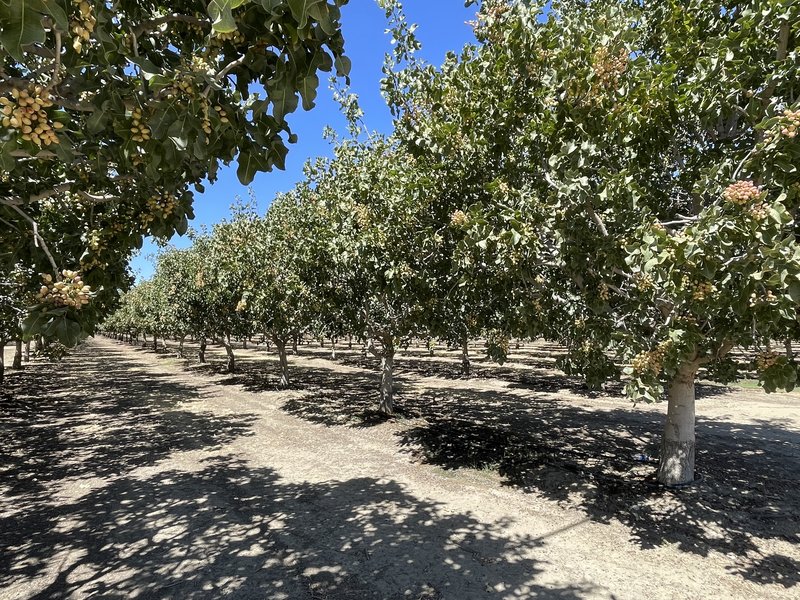
Next season's entire supply may not reach what this season sold in ten months. Industry estimates cited in the committee's reports put carryover into 2026/27 at about 200m lb; added to a crop of 700m to 900m lb, that gives total supply of 900m to 1.1bn lb — less than the 1.13bn lb the industry shipped between September and June.
European buying runs off inventory rather than concentrating at harvest. Monthly arrivals from outside the bloc ran at nearly double the October-to-December pace from January to July across 2024 and 2025. The 2026 crop reaches European buyers from about November, putting the exposure into fourth-quarter and 2027 contracts.
Kernel prices have risen ahead of the short crop. Average unit values of extra-EU shelled pistachio imports reached €18.48 a kilogram in the first five months of 2026, up 28 per cent in two years, while in-shell values were flat at €7.76. Reported marketable inventories do not account for forward sales, the committee said in June, and "immediate spot availability remains tighter than inventory figures suggest due to existing sales commitments".
Iran has not left the kernel trade. It shipped 1,933 tonnes of shelled pistachios to the EU over those five months even as its in-shell trade closed, and the US share of the extra-EU shelled market fell from 65 per cent in 2023 to 50 per cent as the total nearly doubled.
Spain is heading into a short crop of its own. Castilla-La Mancha, which holds more than 70 per cent of the country's pistachio area, will produce 8,054 tonnes this season, down 27 per cent, the pistachio commission of Cooperativas Agro-alimentarias Castilla-La Mancha forecast on 22 July. The co-ops blamed alternate bearing in the dominant Kerman variety and a late-March frost in Ciudad Real and Albacete provinces; ASAJA Ciudad Real put the fall at around 30 per cent on 7 August and called for origin prices to rise. The whole regional crop is worth less than three weeks of European import demand at this year's rate.
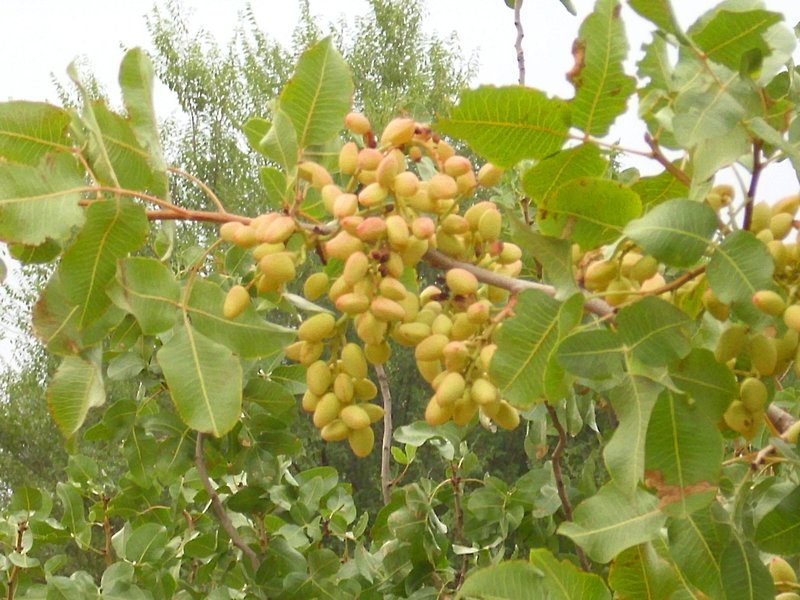
Spain's planted pistachio area has grown thirty-fold since 2012, to 78,495 hectares, on agriculture ministry figures published in the USDA tree nuts annual.
Minimum temperatures in the La Mancha belt fell below zero at five of nine monitoring points on 30 March, reaching -1.7C at Cuenca, on ERA5 reanalysis data accessed via Cropli — matching the timing the co-ops named.
The Spanish harvest begins in September. The Administrative Committee for Pistachios publishes its next monthly shipment report this month, and the USDA's first official estimate of the California crop follows in mid-September.

